
Reading Between the Bricks: What Historic Facades Reveal About Downtown’s Future
Unlocking the Visual Language of Main Street
Historic commercial storefronts were never passive backdrops. Their proportions, materials, signs, windows, cornices, and entrances were carefully arranged to catch the attention of people moving along the sidewalk and to make commerce feel inviting. A well-preserved downtown building communicates before a customer reads the business name. It signals care, permanence, craftsmanship, and a sense of place. For an independent retailer, that message can be a meaningful competitive advantage, especially in a commercial landscape filled with standardized shopping centers and interchangeable strip-mall façades.
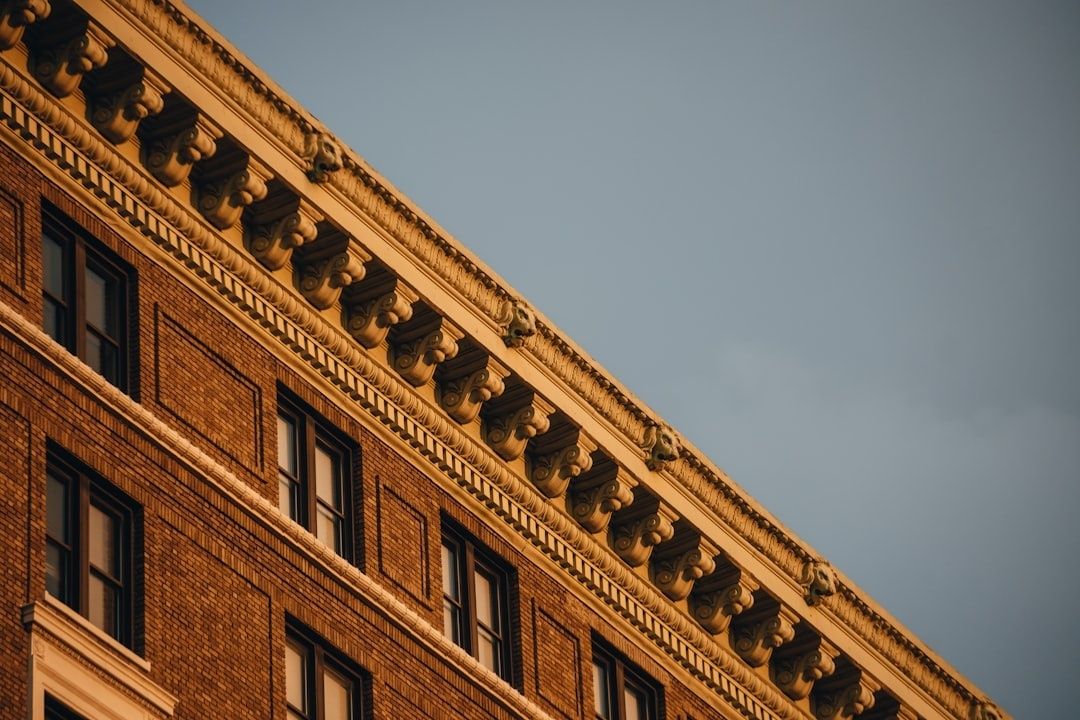
Turn-of-the-century buildings also offer something modern construction often struggles to reproduce: authentic distinction. Brick corbels, cast-iron columns, recessed doorways, tall display windows, and original transoms give a business an identity rooted in the community rather than in a temporary marketing campaign. In a downtown such as Main Street Elyria, recognizing the anatomy and purpose of these older buildings creates a practical bridge between preservation and revitalization. Historic character is not simply something to protect; it is an asset that can help businesses attract visits, encourage exploration, and build lasting customer loyalty.
Decoding the Ground Floor Anatomy
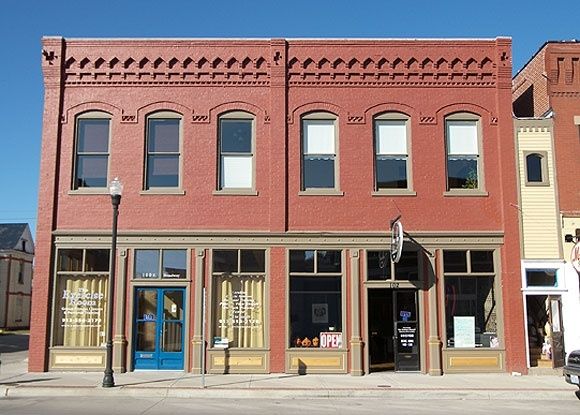
The ground floor of a historic commercial building was designed for close contact with pedestrians. Cast-iron bulkheads, sometimes called aprons, protected the lower portion of the storefront from carts, boots, bicycles, and the everyday wear of a busy sidewalk. Above them, large plate-glass display windows raised merchandise to eye level and allowed shopkeepers to present goods without requiring customers to enter. Recessed entrances created a subtle invitation to step inside while expanding the amount of wall and window surface available for displays. This arrangement remains highly useful today because it supports both browsing and easy access.
Above many nineteenth-century storefronts sat a transom window, often made with prism glass. Its small, angled surfaces redirected and diffused daylight deeper into the shop, improving interior visibility long before electric lighting became widespread. Other familiar elements included signboards, awnings, structural columns, decorative cornices, and upper stories that often contained apartments, offices, or the proprietor’s residence. The National Park Service preservation guidance offers a valuable starting point for understanding rehabilitation standards and protecting the identity of these features while adapting them for contemporary business needs.
| Historic component | Original purpose | Modern merchandising value |
|---|---|---|
| Cast-iron bulkhead or apron | Protected the storefront base from sidewalk damage | Creates a durable visual frame for displays and reinforces the building’s material character |
| Plate-glass display window | Presented merchandise directly to pedestrians | Supports window shopping, seasonal campaigns, and product storytelling |
| Recessed entrance | Guided pedestrians toward the doorway and sheltered the threshold | Creates a natural pause point and a welcoming transition from sidewalk to shop |
| Prism-glass transom | Distributed daylight into the interior | Adds historical interest and can improve daylight while preserving the original façade rhythm |
| Signboard or cornice | Identified the business and visually completed the storefront | Provides a prominent location for readable, appropriately scaled branding |
Why Authentic Architecture Drives Modern Foot Traffic
Pedestrians respond to environments that offer visual variety at a comfortable human scale. Historic storefronts typically present a sequence of doorways, windows, signs, materials, and architectural details rather than one uninterrupted wall. That rhythm gives people reasons to slow down. A customer might notice a window display, glance through a transom, read a hand-painted sign, or pause at a recessed entrance before deciding to enter. For boutiques, cafés, galleries, salons, and specialty shops, these small moments of attention can translate into longer dwell time and more unplanned visits.
Distinctive architecture also turns an ordinary errand into a recognizable downtown experience. Customers are more likely to remember a shop located beneath a detailed cornice or beside an exposed brick pier than a business operating in a generic commercial box. Community pride grows from that distinctiveness, particularly when building owners and merchants maintain façades as part of a coordinated streetscape. The Advisory Council on Historic Preservation identifies preservation as a contributor to local identity, quality of life, job creation, heritage tourism, and downtown revitalization. Those benefits reinforce one another: attractive buildings invite visits, visits support businesses, and active businesses make preservation financially meaningful.
- More reasons to pause: layered façades and detailed windows create visual discovery along the block.
- Stronger business identity: authentic materials distinguish local shops from standardized competitors.
- Greater destination appeal: historic districts give visitors a reason to explore several businesses rather than make a single-purpose trip.
- Community confidence: cared-for buildings communicate investment and encourage additional private and public improvements.
- Economic resilience: rehabilitation can support construction jobs, property values, tax revenue, and long-term occupancy.
The economic case should be approached carefully, because every downtown market has different conditions. Still, preservation research consistently challenges the assumption that historic designation automatically harms property values or commercial stability. A review compiled by the Town of Belmont cites national findings that historic designation is generally associated with stable or increased property values, while preservation projects can produce jobs, additional income, tax revenue, and rehabilitation-related wealth. The economic impacts of historic preservation are especially visible when improvements occur across a district rather than at only one address. Coordinated storefront care creates street energy that benefits landlords, retailers, residents, and visitors together.
Funding the Facade Restoration Dream
Restoring a storefront can require more than a fresh coat of paint. Masonry repointing, window repair, woodwork, sign restoration, accessibility improvements, professional design services, and code compliance can quickly exceed a small business’s annual maintenance budget. The good news is that funding is often available through several layers of government and nonprofit support. Local Main Street organizations, downtown partnerships, community development corporations, municipalities, and state agencies may offer grants, matching programs, low-interest loans, or technical assistance.
Programs vary by location and eligibility. Maryland’s Facade Improvement Program, for example, routes funding through eligible local governments and community development organizations, including Main Street groups and downtown partnerships, so those organizations can create grant processes for businesses in designated Sustainable Communities. Tennessee’s Downtown Improvement Grant Program demonstrates another model, offering grants of up to $300,000 for eligible downtown improvements, with at least half of a proposed project generally directed to façade work, a 25 percent match, reimbursement-based payments, and requirements related to design review and professional grant administration. Philadelphia’s small-business preservation resources also identify storefront reimbursements, rehabilitation tax credits, state incentives, and business loans as possible tools. These examples show why local research matters: the best opportunity may be administered by a city partner rather than applied for directly by an individual merchant.
- Confirm the building’s status: determine whether the property lies within a historic district, a local design-review area, a state-designated revitalization zone, or another eligible geography.
- Document existing conditions: photograph the façade, identify original materials, note damage, and gather historic images, permits, surveys, or old business records that clarify what has changed.
- Build a phased scope: separate urgent stabilization from appearance upgrades, then identify which work can be completed together for better cost control.
- Speak with reviewers early: contact the historic district commission, preservation staff, building department, and Main Street design committee before ordering materials or beginning construction.
- Prepare a complete budget: include design fees, permits, contractor estimates, matching funds, contingency reserves, and the timing of reimbursement payments.
- Follow the award precisely: obtain required approvals and signatures before work starts, use approved contractors and materials, retain invoices, and photograph completed improvements.
Smart Ways Independent Retailers Celebrate Historic Details
The most effective storefront improvements make historic features visible without turning a business into a museum. Warm-temperature lighting can draw attention to exposed brick corbels, iron columns, carved wood, or a restored cornice while keeping the shopping environment comfortable. Light should be targeted rather than excessive. Fixtures aimed at architectural details can establish depth and texture, while modest interior lighting keeps merchandise readable through the glass after dark. This approach supports both preservation and sales because the building becomes part of the customer experience without competing with the products.
Window displays should work with the original rhythm of mullions, transoms, and structural supports. Covering every historic line with posters, shelving, or opaque graphics can erase the very character that attracts attention. Seasonal installations can instead frame those elements, using the divisions of the original windows to organize product stories. A small plaque, QR code, or printed card can explain when the building was constructed, what businesses once operated there, or how a storefront element was restored. The National Park Service Technical Preservation Services provides topic-based resources for owners planning sensitive rehabilitation, while storefront guidance from preservation organizations emphasizes identifying materials, preserving character, and examining the entire building rather than treating the ground floor in isolation.
- Light the structure selectively: use soft, warm illumination to reveal brick patterns, columns, corbels, and original woodwork.
- Preserve visual rhythm: arrange displays around historic mullions and transoms instead of hiding them.
- Choose readable signage: respect the scale and location of original signboards while making the business easy to identify.
- Tell the building’s story: use a short window card, QR code, or website page to connect architecture with local history.
- Coordinate block by block: align lighting, maintenance, banners, and seasonal displays so individual storefronts strengthen the larger district.
Accessibility, safety, energy performance, and modern retail requirements remain essential. Historic character should not be used as a reason to delay an accessible entrance, improve lighting, repair failing masonry, or address life-safety concerns. Instead, design teams and review boards can look for solutions that meet current standards while retaining significant materials and proportions. A carefully restored storefront can welcome a wider range of customers, operate efficiently, and still express the craftsmanship that makes downtown special.
Step Into the Next Chapter of Downtown Vitality
Historic downtown commercial corridors are living ecosystems, not collections of frozen façades. Their success depends on daily stewardship: landlords maintaining upper stories and masonry, merchants keeping windows active, Main Street organizations coordinating investment, and residents choosing to visit, shop, dine, and share the district with others. Each restored storefront contributes to a larger network of places where people can meet, browse, work, and participate in community life.
For small business owners and property landlords, the practical opportunity is clear. Study the building before changing it, use its original details as part of the business identity, seek preservation and revitalization assistance, and make improvements that serve both customers and the street. Every preserved transom, repaired iron column, restored signboard, and thoughtfully lit brick detail strengthens the economic fabric of downtown. When the craftsmanship of the past is treated as a competitive asset rather than an obstacle, the next chapter of Main Street vitality becomes easier to see, support, and build together.
By Magnus
- 4, Sep, 2026
- 0 Comments